For Adriana Velazquez, community organizing was never something she initially imagined as a career. Her path into organizing began as a teenager, witnessing the injustices faced by immigrant and working-class families in her community. From workers being denied wages and healthcare to families struggling to access the resources they needed, Adriana saw firsthand how systems could fail the people who needed them most. Surrounded by family and community members fighting for immigrant rights, she began learning what it meant to stand up against injustice.
Some of her earliest experiences came alongside her father, who would bring Adriana with him as a translator when he faced employers who refused to pay him for work or provide support after he was injured on the job. She participated in strikes her father helped organize, experiences that taught her an important lesson at an early age: when something is wrong, people have the power to do something about it.
That lesson became personal in 2008, when Adriana’s father suffered a serious workplace injury while she was finishing high school and preparing for college. Unable to work for months and without adequate support from his employer, her family struggled to keep up with their mortgage and faced the possibility of losing their home. Adriana began questioning whether she could afford to attend college because she felt she needed to help her family.
It was a turning point that moved her from being a participant in organizing to becoming a leader herself. She recognized that what her family was experiencing was not unique—many families in her community were facing similar struggles with employment, housing, healthcare, and access to resources. Her parents had always reminded her that being immigrants did not mean they had to accept less than what they deserved. As Adriana recalled, they told her, “If you don't seek, you will never find out one way or the other. We may be immigrants or low income, but we can fight for the things we need.”
Over the years, organizing has continued to shape Adriana not only as a leader, but as a person. She credits the work with helping her discover an unapologetic sense of her own dignity and value, while also teaching her how to recognize that same dignity in others. For Adriana, effective organizing means showing up powerfully while remaining joyful and kind, celebrating both the small and significant victories, and creating space for people to feel seen and heard.
Those lessons were reinforced when she first began building relationships with leaders through the Southwest Organizing Project (SWOP). Adriana remembers meeting organizers like Imelda, who asked her questions about what made her angry, what she wanted to change, and where she saw herself going. That experience helped shape the kind of organizer she wanted to become—one who meets people where they are and understands that building power must also mean building community, joy, and relationships.
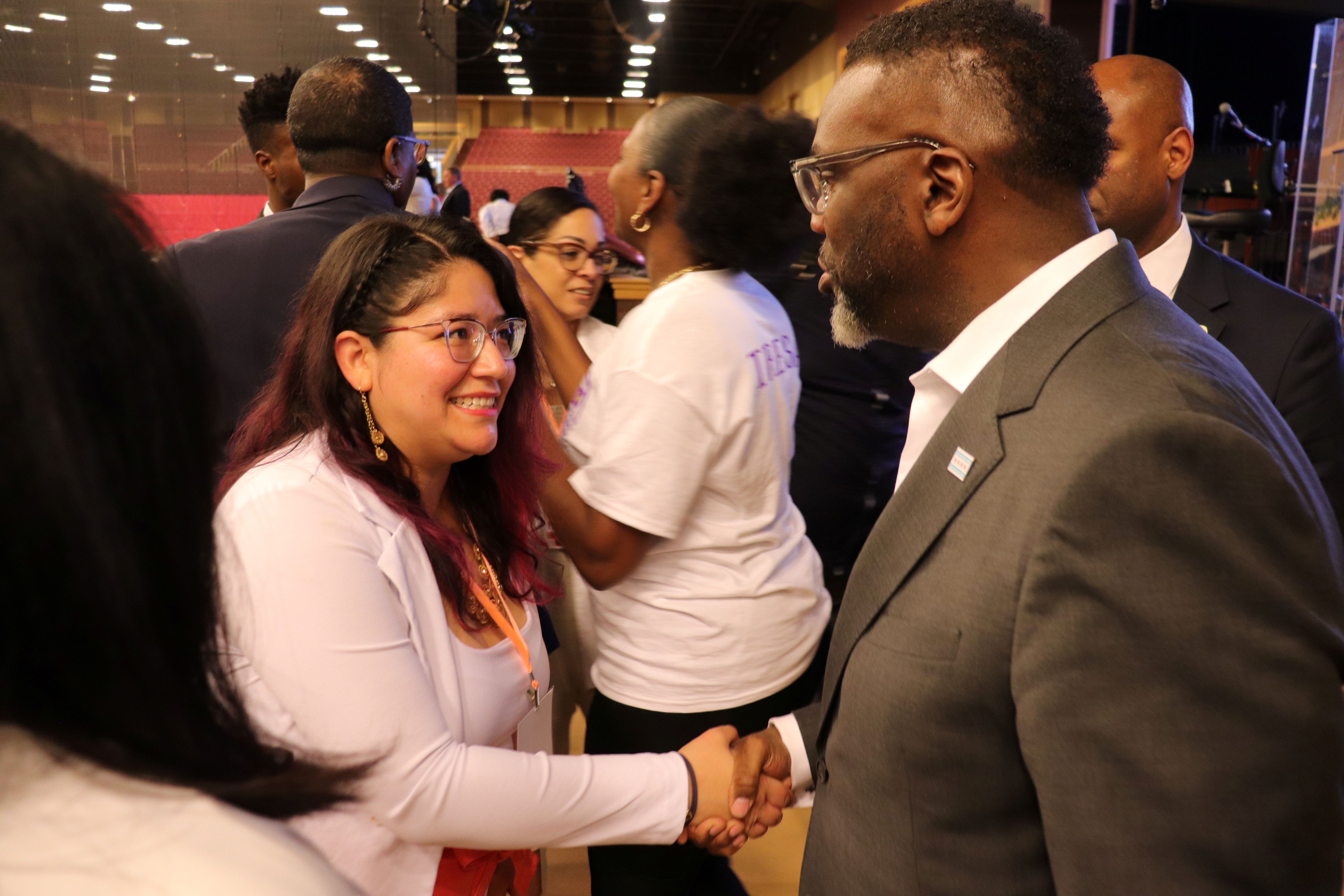
Now, that work has earned Adriana recognition as one of eight 2026 Leaders for a New Chicago, an initiative of the Field Foundation of Illinois and the John D. and Catherine T. MacArthur Foundation. The annual recognition highlights Chicagoans who are bringing transformative change to their communities and introducing new voices, creativity, and innovation into the decisions and structures shaping the city’s future. The 2026 cohort includes leaders advancing housing justice, immigrant and disability rights, trusted local journalism, arts and storytelling, cultural pride, and neighborhood connection.
Being selected is particularly meaningful to Adriana because the recognition shines a light on work that is often carried out by many people together. She sees the award as an acknowledgment of the years of organizing and leadership development happening throughout Chicago, particularly around immigrant justice and developing community leaders.
“This has been a difficult year in our community to have to face the wrath of an administration that dehumanizes people,” Adriana said. “The only thing we have had left is each other, and community has come through in supporting each other.”
That spirit of collective care is central to how Adriana understands her role as a leader. She believes that Black and Brown communities in Chicago deserve dignity and should be recognized for the essential role they play in building the city. She also sees her own leadership as part of a much larger movement of Black and Brown parents, organizers, and community members working every day to make their neighborhoods stronger.
For Adriana, a “New Chicago” is rooted in the belief that the city’s future is not predetermined. History is continuously being built by the people who live here, and communities can imagine and create something different. She believes leaders must continue identifying what their communities need, supporting innovative solutions, and building the necessary power to make those visions possible.
That work is not without challenges. Adriana says one of the hardest parts of organizing is building enough collective power and solidarity to create lasting change. She points to the disinvestment facing Black communities and the dehumanization experienced by Brown and immigrant communities as reminders that solidarity is more important than ever. When communities are intentionally pitted against one another, organizers must work to see the bigger picture and recognize that seemingly different struggles are often connected.
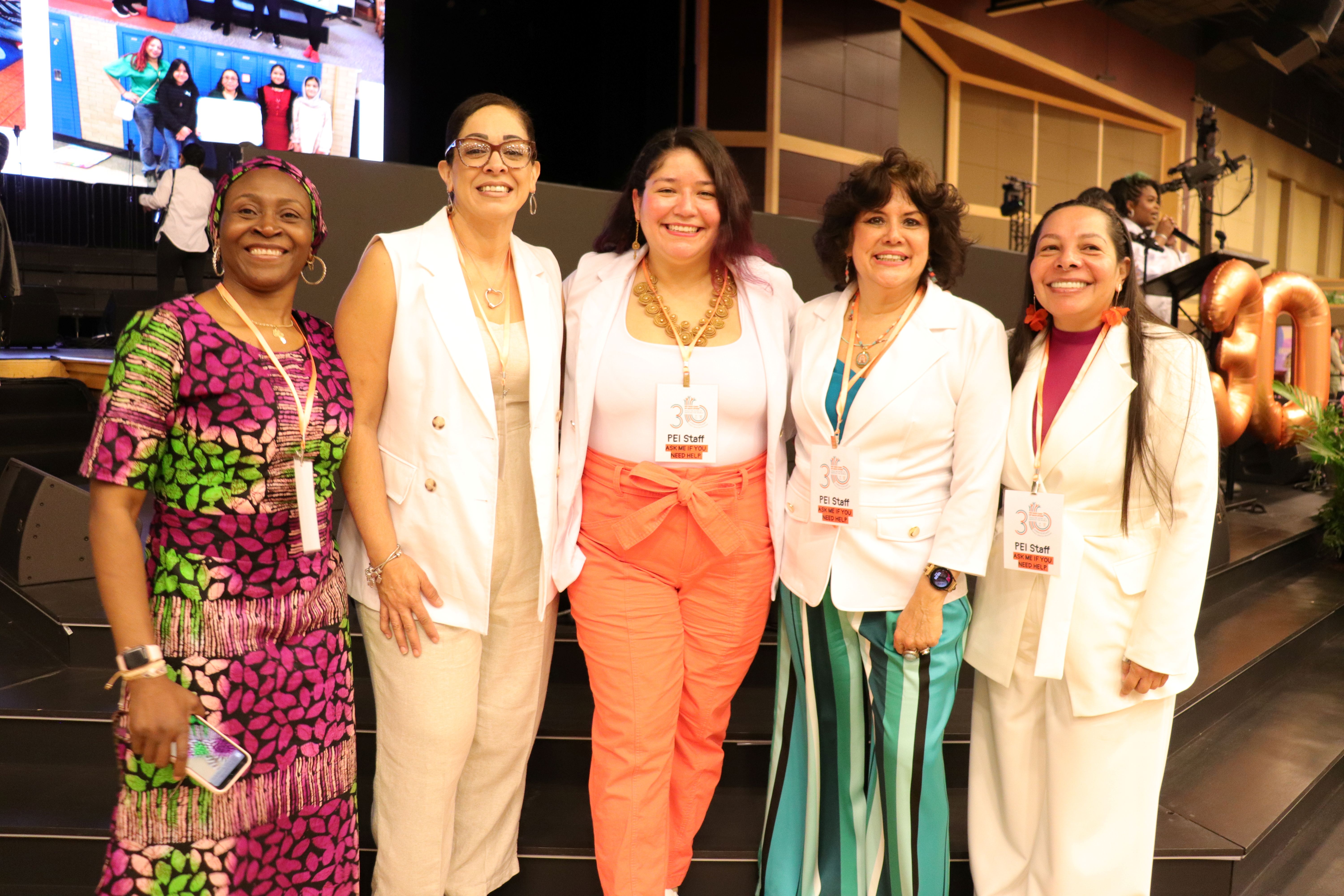
What keeps her going are the relationships she has built along the way. The mentors, community leaders, parents, and women she works alongside have created a network of support that extends beyond organizing campaigns. Their love, joy, care, and protection help make the work sustainable.
Looking toward Chicago’s future, Adriana hopes decision-makers understand just how much immigrant communities contribute to the city and how urgently their needs should be prioritized. She believes Chicago must invest in fully funded schools across the South and West Sides and recognize that many of the challenges communities face today are connected to decades of underinvestment in education and other essential resources.
“If we are building Chicago, we deserve to have our needs prioritized,” Adriana said.
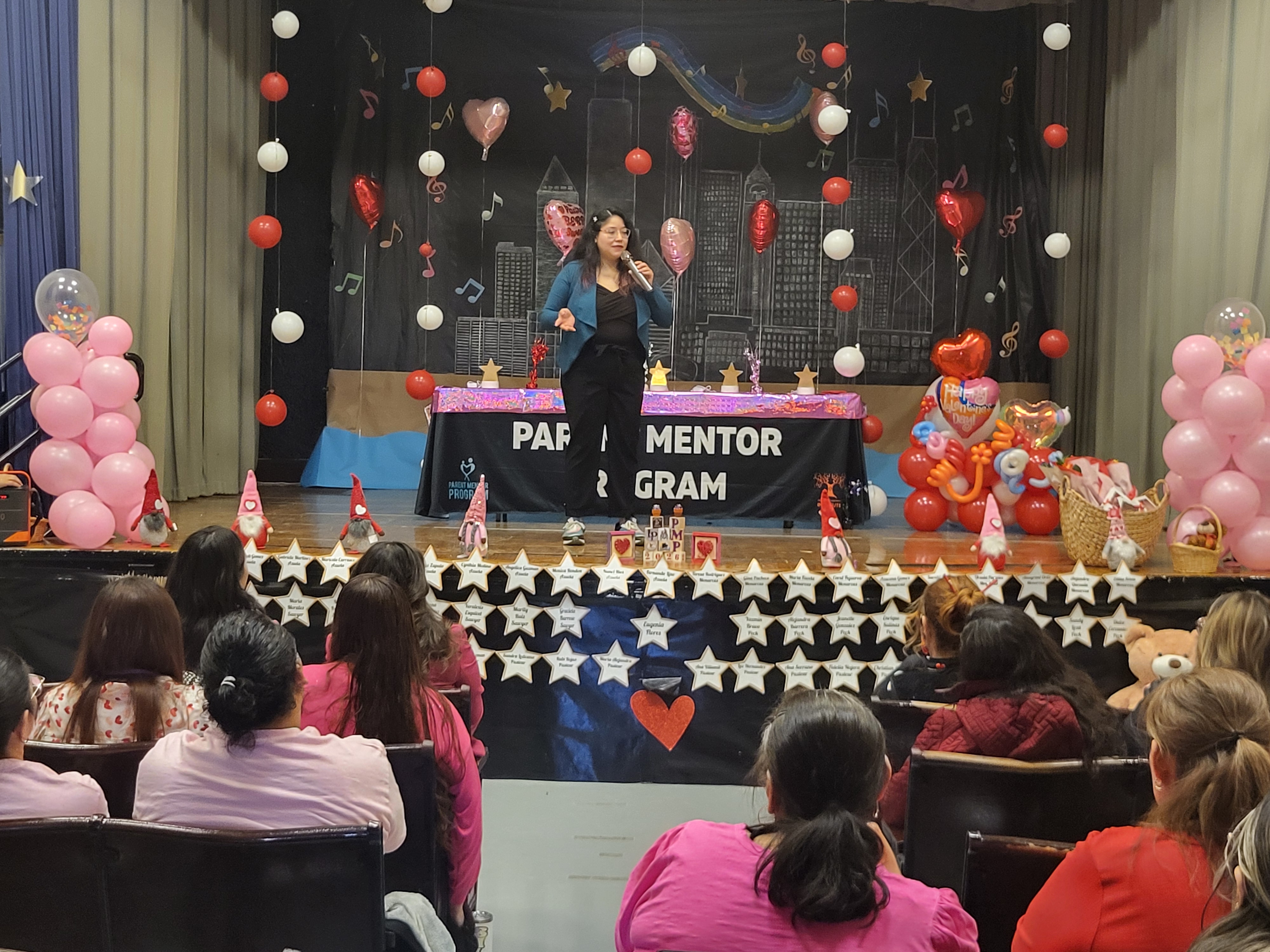
As she accepts the Leaders for a New Chicago recognition, Adriana is quick to share the spotlight. She gives thanks to the community leaders who have fought alongside her for immigrant justice, the Black and Brown mothers in the Parent Mentor Program who show up for their communities every day, and the many parents whose care and joy have made this work sustainable. She also recognizes SWOP Executive Director Jeff Bartow, who gave her the opportunity to serve with SWOP for the past decade and invested in the talents already present within the community.
Above all, Adriana credits her parents, whose example, love, and belief in fighting for what their family deserved helped shape the leader she has become. And while the recognition celebrates Adriana individually, she sees her leadership as inseparable from the people who have walked beside her.
Her selection as a 2026 Leader for a New Chicago is a recognition not only of where she has been, but of the continued possibility of what Chicago can become when communities build power, care for one another, and refuse to accept that the future has already been decided.